
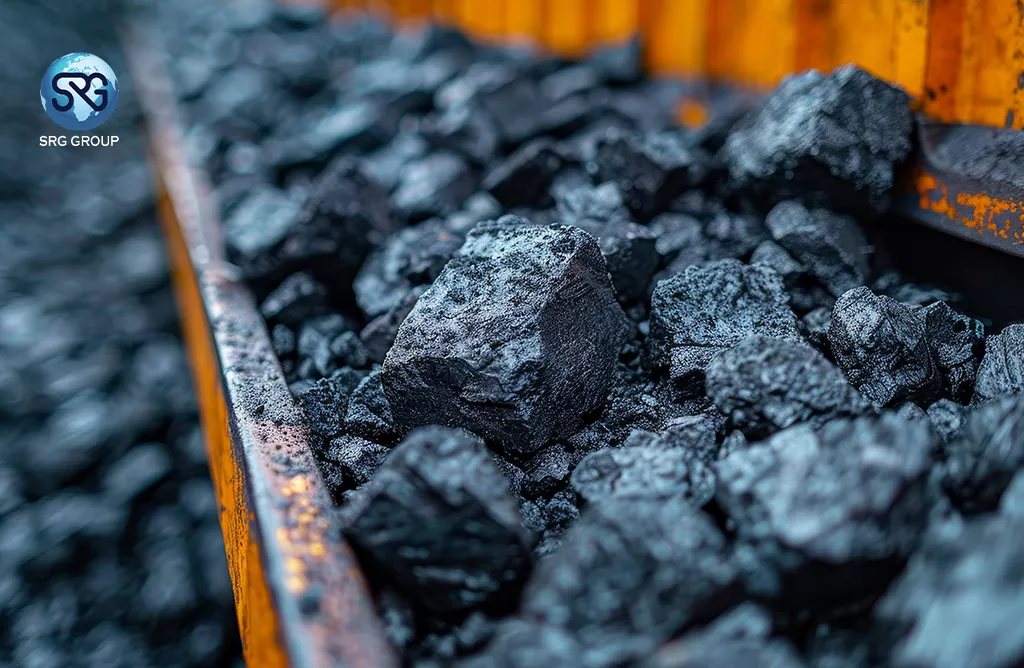
Businesses can identify reliable coal suppliers in India by evaluating coal quality, verifying business credentials, checking supply capacity, and comparing total landed costs. Start with quality, and ask for independent lab reports covering GCV, ash, moisture, and sulphur. Next, confirm the legal basics: licences, GST registration, and import records. Then look at delivery history, since a supplier should show past shipments at your volume. Finally, read the contract terms on rejection, timelines, and payment. That is how businesses identify the right coal suppliers in India, and a sample before the first order makes a good final test.
What to Check Before Shortlisting Coal Suppliers in India
1. Match the Coal Grade to Your Process
Not every plant burns coal for the same reason. Power plants and cement kilns mostly run on non-coking coal. Steelmaking processes may require coking coal or metallurgical coke, while foundries often use foundry coke depending on furnace requirements. Anthracite is preferred for certain industrial applications. Before you call anyone, define your limits on these parameters:
- GCV (Gross Calorific Value): The heat energy you get from the coal
- Ash content: The non-combustible residue left after burning
- Moisture: Affects handling and usable heat output
- Sulphur: Matters for emissions control and plant limits
- Size distribution: Decides whether the coal suits your equipment
A supplier who asks about your kiln or furnace before quoting usually knows the product.

2. Verify Credentials and Documents
Ask for these before price even comes up:
- GST registration and company incorporation details
- Import-Export Code (IEC) for importers
- Independent inspection certificates from agencies such as SGS or Intertek
- Bill of Entry and Certificate of Origin for imported cargo
- Mine or source details for every lot
Then check that the paperwork matches the actual cargo, not just the brochure.
3. Check Supply Capacity and Delivery Record
Ask for references from industrial buyers with similar volumes, and find out how the supplier handles port access and inland transport. The best coal trading company can explain how cargo reaches your plant and what happens when a vessel or rake runs late. Capacity claims only count when past shipments back them up.
4. Understand Domestic and Imported Sourcing
Domestic coal avoids ocean freight and currency risk, though quality and availability can vary by mine and region. Imported grades, including South African RB1, RB2, and RB3, differ in calorific value and other characteristics, so compare each cargo's specification, inspection report, freight charges, and availability rather than assuming one route is better. The best coal importer will lay all of this out upfront instead of leaning on an attractive base price.
5. Compare Landed Cost, Not Just Price per Tonne
A lower rate per tonne can end up costing more once you add freight, handling, taxes, moisture loss, and the extra fuel burned at lower GCV. Compare offers on cost per unit of usable heat, delivered to your gate.
Red Flags to Watch For
- Reluctance to share lab reports or inspection certificates
- Prices far below the current market rate
- No verifiable office address or shipment history
- Vague terms on rejection of off-spec cargo
- Pressure to pay the full amount in advance without documents
Why the Supplier Relationship Matters Beyond the First Order
Fuel demand moves with production cycles, so you want a partner who can keep up. The best coal trading company offers flexible lot sizes, sample approval, and regular updates, not just a one-time quote. The best coal importer, likewise, keeps you posted on vessel schedules and port clearance. Over time, that reliability is worth more than a small discount.

Conclusion
Choosing among coal suppliers in India comes down to evidence: tested quality, verified documents, proven delivery, and transparent costs. Take your time, ask for samples, and compare offers on landed cost rather than headline price. SRG Group has traded and imported coal and coke since 1994 from its base in Visakhapatnam, covering Indian coal, non-coking and coking coal, anthracite, metallurgical coke, and RB1, RB2, and RB3 grades for industrial buyers. If you'd like to talk through your fuel specification, you can request a quote through the company's website.
FAQ’s
1. What should I check first when comparing coal suppliers in India?
Start with independent lab reports and valid licences. These two documents show whether the coal quality and the business behind it are genuine.
2. What makes the best coal trading company reliable for bulk orders?
Verified shipment history, clear contract terms, transparent pricing, and the ability to deliver consistent quality across repeat orders.
3. How do I know I am dealing with the best coal importer?
Look for a valid IEC, Bill of Entry records, third-party inspection at the load port and open discussion of freight and port costs.
4. Should a buyer choose the best coal trading company or the best coal importer for bulk orders?
Compare sourcing capability, supply volumes, product availability, and delivery arrangements. Importers focus on overseas procurement, while traders may source from domestic or international markets and supply varied quantities. Confirm the supplier's actual role before signing a contract.