





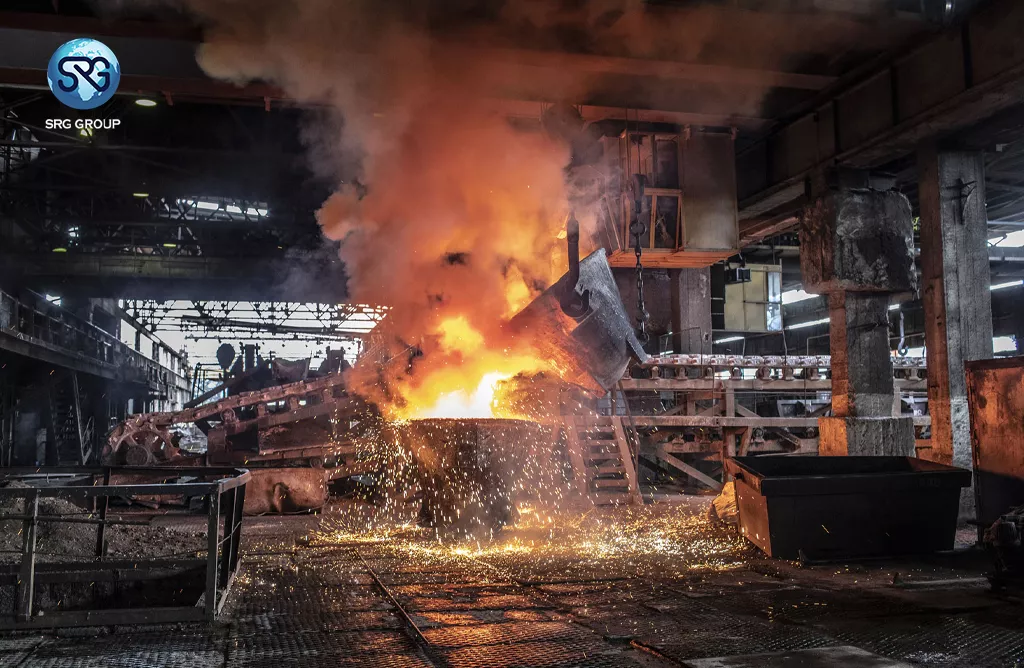
Ferro alloys manufacturers in India have steadily grown into one of the most reliable forces behind global steel production. India's natural wealth of manganese, chromite, and silica — combined with decades of metallurgical expertise and a rapidly expanding production base — gives Indian manufacturers a structural advantage that few countries can match. The country's robust export infrastructure, internationally certified quality processes, and skilled engineering workforce have made it the preferred sourcing destination for steel plants across Asia, Europe, the Middle East, and Africa. As global infrastructure demand accelerates, India is no longer just a participant in the steel supply chain — it is a pillar of it.
The Raw Material Advantage India Holds
Few countries sit atop the kind of mineral wealth that India does. The subcontinent holds significant reserves of manganese ore, chromite, and quartz — the foundational inputs for producing ferrochrome, ferromanganese, and ferrosilicon. This gives Indian manufacturers a natural supply continuity that buyers in resource-scarce regions simply cannot replicate domestically.
This abundance is not just about availability — it is about consistency. When a steel plant commits to a long-term supply relationship, it needs assurance that grades, volumes, and timelines will hold. Indian producers, backed by mine-to-furnace integration in many cases, offer exactly that kind of reliability.
How India's Production Capacity Has Scaled
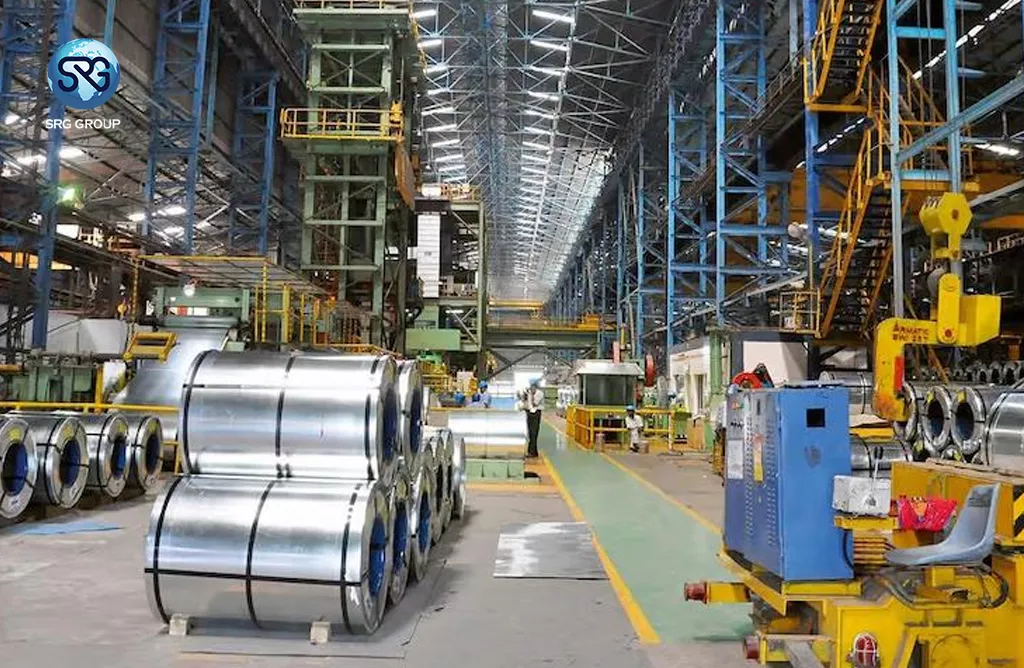
Over the last two decades, India's ferro alloy industry has undergone a quiet but significant transformation. Investments in electric arc furnace technology, energy efficiency, and plant automation have pushed production capacities to levels that allow manufacturers to handle large, sustained orders from multiple continents simultaneously.
Why Global Steel Plants Keep Coming Back to India
Loyalty in industrial procurement is earned slowly — and when it is earned, it speaks to something deeper than cost. The fact that global steel plants continue to expand their sourcing relationships with Indian suppliers is a clear signal of long-term trust built over years of consistent performance.
Indian ferro alloys exporters have built that trust through strict adherence to international standards, transparent supply chains, and consistent product quality across bulk shipments. When a ferro alloys exporter ships a consignment, buyers know exactly what they are receiving — the chemical composition, the particle size, the moisture content. That level of predictability is invaluable in high-volume industrial manufacturing.
Companies like SRG Group have been instrumental in setting this standard — combining deep technical expertise with a commitment to supply reliability that global buyers recognize and value.
This scalability is precisely what has made the role of the ferro alloys trader so strategically important. A skilled ferro alloys trader bridges manufacturers and end-users across geographies — managing documentation, logistics, quality verification, and regulatory compliance. Indian manufacturers have built strong relationships with trader networks that ensure seamless delivery to markets as diverse as South Korea, Germany, and Saudi Arabia.
The Infrastructure Wave Fuelling Global Demand
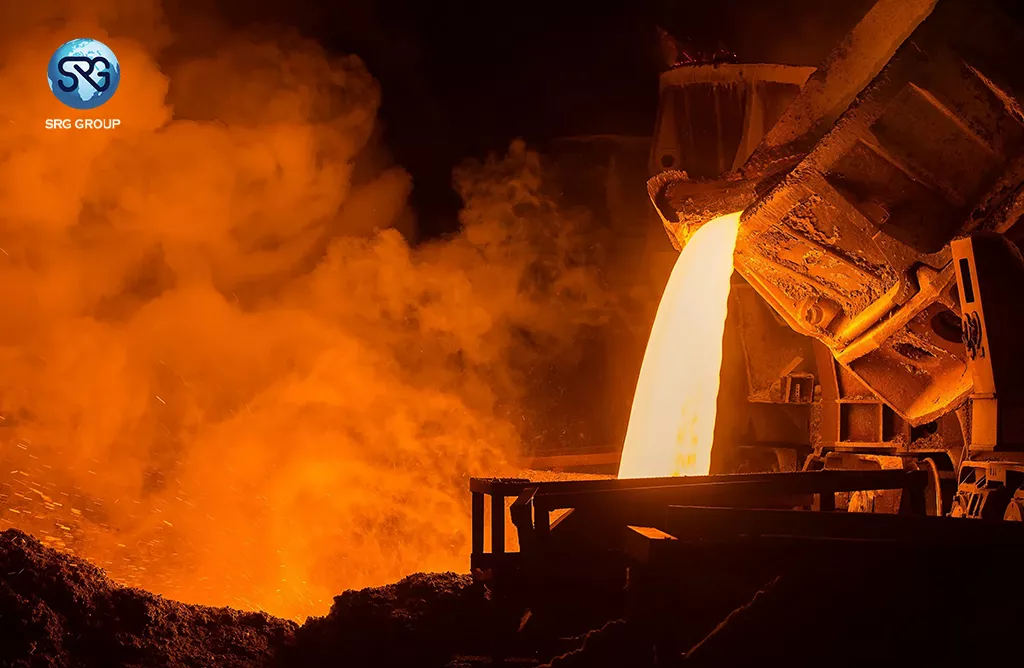
The world is building — roads, bridges, railways, power plants, urban housing, and industrial complexes — at a pace not seen in decades. At the heart of this construction boom is high-strength steel, and at the heart of high-strength steel are ferro alloys.
Ferro alloys manufacturers in India are well-positioned to meet this growing demand. With production infrastructure already in place and established trade corridors to major consuming regions, India can scale supply in alignment with global needs. Experienced ferro alloys exporters have already built the logistics partnerships and compliance frameworks needed to serve emerging markets without disruption.
As new infrastructure pipelines open across Southeast Asia, the Middle East, and Africa, the reliability of a trusted ferro alloys trader will only become more critical — and India sits firmly at the center of that network.
Conclusion
The rise of ferro alloys manufacturers in India is not a short-term trend. It is the result of decades of investment, expertise, and consistent delivery — built into a platform capable of serving the evolving needs of global steel production. As steelmakers worldwide look for reliable, quality-assured, and scalable supply partners, India stands uniquely positioned to deliver on all three fronts.
For industrial buyers seeking a partner who understands both the technical demands of ferro alloy supply and the importance of long-term trust, SRG Group offers exactly that combination — quality, reliability, and a supply network built for the demands of modern steelmaking.
FAQ’s
1. What are the most commonly produced ferro alloys in India?
India primarily produces ferrochrome, ferromanganese, silicomanganese, and ferrosilicon. These are the core alloys used in steelmaking to improve properties such as hardness, corrosion resistance, and tensile strength — making them essential inputs for nearly every grade of commercial steel.
2. How do ferro alloy manufacturers ensure quality for international buyers?
Leading manufacturers maintain strict quality control at every stage of production — from raw material sourcing through furnace processing to final packaging. Products are tested for chemical composition, grade consistency, and physical specifications before shipment, with documentation provided to meet international import standards.
3. What role does India play in global ferro alloy exports?
India is among the top ferro alloy exporting nations globally, supplying steel producers across Asia, Europe, the Middle East, and Africa. Its combination of mineral resources, scaled production capacity, and established export infrastructure makes it a strategically important and increasingly preferred source for international buyers.